

A sweeping U.S. Treasury Department operation has landed heavy sanctions on cyber scam hubs in Myanmar and Cambodia. Targeted operations have bilked Americans out of an estimated $10 billion in 2024—underscoring a growing crisis of transnational digital fraud and modern slavery.
Story Synopsis
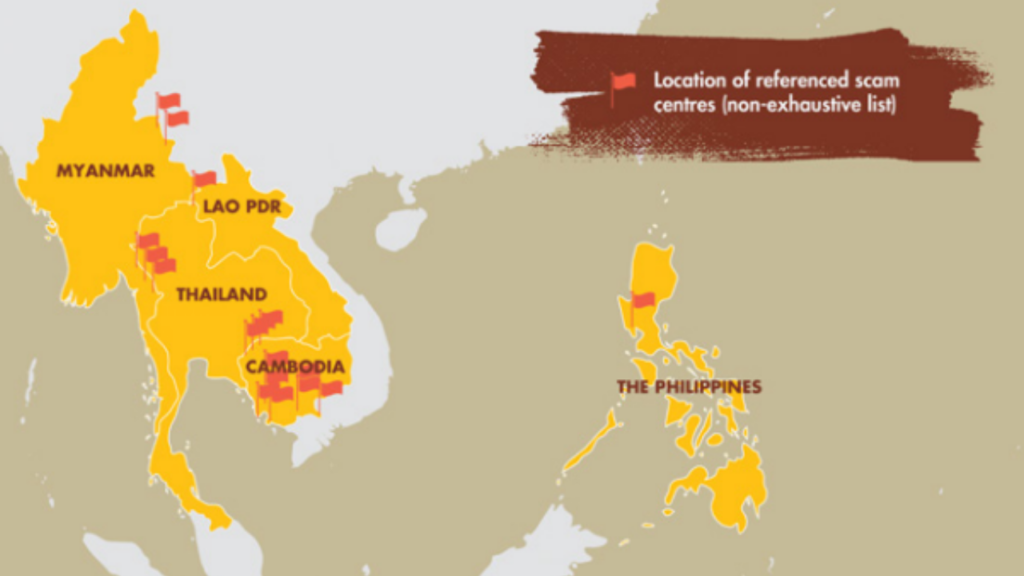
In early September 2025, the U.S. imposed sanctions on 19 entities tied to cyber scam operations in Southeast Asia, including nine in Myanmar’s Shwe Kokko region and ten in Cambodia.
These organizations orchestrated large-scale scams that not only drained billions from American victims but also enslaved thousands under brutal conditions—using forced labor, violence, and coercion to execute “pig butchering” romance and investment fraud schemes.
What It Means
This move marks a pivotal escalation in U.S. efforts to dismantle international cyberscam networks. The sanctions target key nodes of criminal activity, signaling that financial enforcement tools can now be wielded against modern slavery and cyber-enabled fraud.
It represents the Trump administration’s intensified focus on protecting Americans from sophisticated digital extortion run by overseas crime syndicates.
How It Works
The Treasury’s Office of Foreign Assets Control (OFAC) designated:
- 9 actors in Shwe Kokko (Myanmar) — an area run under the Karen National Army.
- 10 actors in Cambodia — tied to repurposed hotels, casinos, and office blocks used as scam compounds.
These compounds rely on trafficked workers forced into scam operations.
The schemes lure American victims through romance or fake investment pitches, often requiring remote access to devices or installation of apps. Victims are then manipulated into sending cryptocurrency or investing in fraudulent platforms—a process known as “pig butchering.”
Why It Matters
- Americans were reportedly defrauded of over $10 billion in 2024 alone.
- Human rights groups—including Amnesty International—have criticized the Cambodian government for ignoring abuses within these scam zones.
- The crackdown addresses two threats at once: large-scale financial crime and systemic human rights violations.
- Enforcement through cryptocurrency tracking and sanctions can deliver swift disruption, though networks often adapt or rebrand.
What’s Next
Continued U.S. vigilance is essential. While sanctions disrupt the flow of illicit funds, maintaining pressure and international coordination will be key as criminal networks regroup.
- Tech platforms and stablecoin issuers are expected to collaborate with authorities to trace and freeze scam proceeds.
- Diplomatically, stronger law enforcement cooperation with Southeast Asian partners will be vital to prevent networks from re-emerging elsewhere.
Tech Tidbits
- “Pig butchering” scams often begin innocuously—with a friendly chat—before escalating into high-stakes crypto traps.
- Stablecoins like USDT are favored by scammers for anonymity and fast cross-border transfers.
- Sanctions freeze assets and cripple scam infrastructure by cutting access to global banking systems.
- Criminals often rebrand under new names after enforcement—watch for new domains or compounds emerging.
Publication or Release Details
- Date of U.S. action: September 2025
- Jurisdictions impacted: Myanmar (Shwe Kokko) and Cambodia
- Entities sanctioned: 19 in total (9 Myanmar, 10 Cambodia)
- Mechanism: U.S. Treasury / OFAC sanctions
- Estimated U.S. losses: $10 billion in 2024
Suggested Reading
- “US sanctions companies and individuals behind Southeast Asian scam centers” (Reuters)
- “US Treasury sanctions 19 Southeast Asian entities in $10 B cyber scam crackdown” (Decrypt)
- “China-linked scam centers target U.S., congressional commission warns” (Washington Post)
- “US sanctions companies and individuals behind Southeast Asian scam centers” (Al Jazeera)